Three themes from the health and benefits programme, and what they mean for employers weighing up an integrated workplace health approach.
The future of the reward and benefit space
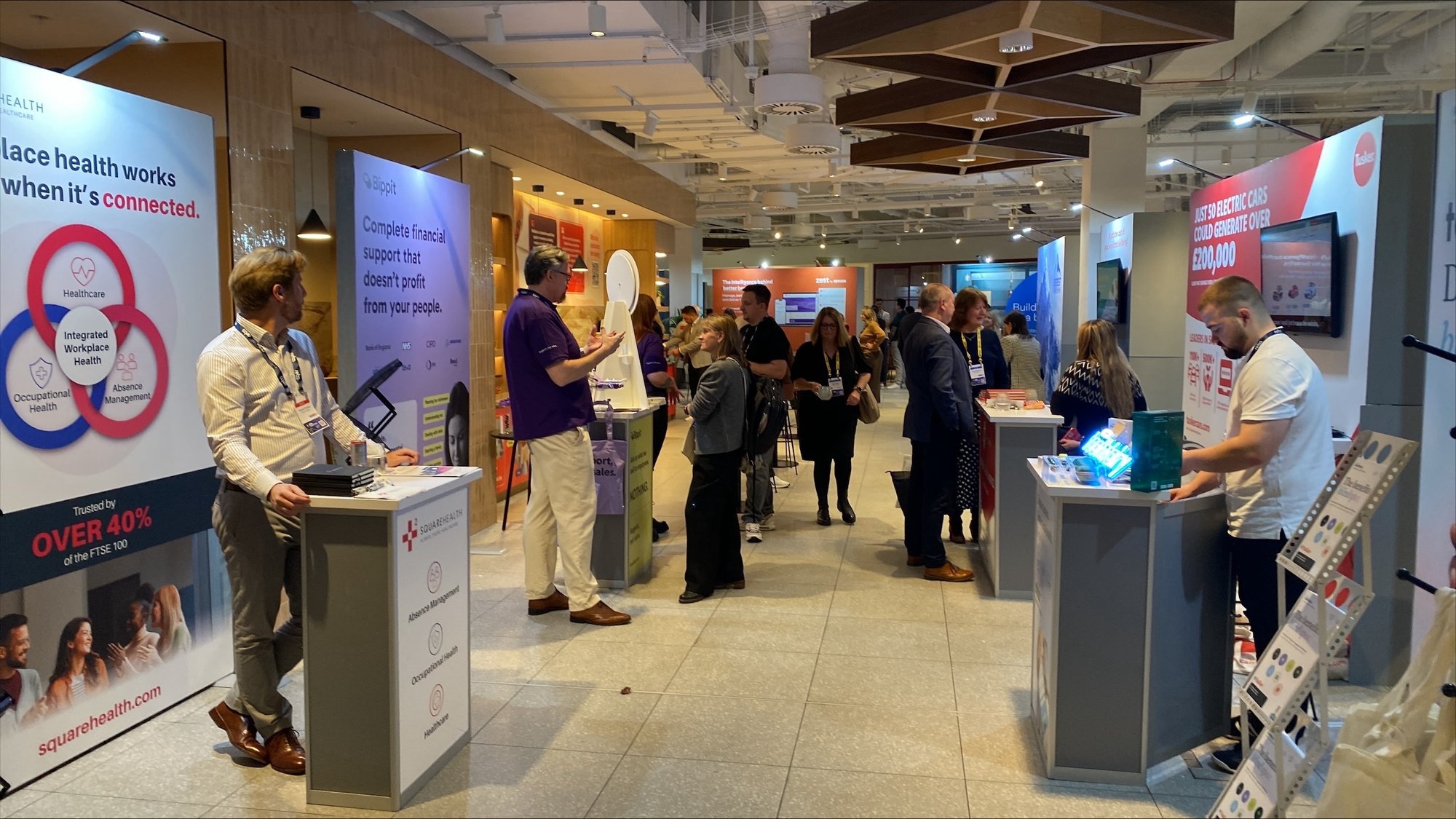
It was a pleasure to take part in last week's REBA Future Forum and learn about what is next in the reward and benefit space. One consistent theme of the day’s discussions was employers struggling with an abundance of health benefits to choose from while lacking the knowledge of how those benefits fit together or what value they deliver. More than a few sessions addressed this issue in different ways, but they all speak to the desire for a more integrated approach to employee care.
Act earlier
Prevention and early intervention got plenty of space on the programme. Sessions covered shifting spend upstream, the growing cost of cancer care and rethinking mental health support as psychosocial risk, and a roundtable looked at early intervention and whole-of-workforce strategies.
Timing sits behind all of it. The government’s Keep Britain Working (KBW) update makes this point clear: employees absent four to six weeks have a 96% chance of returning to work, but after a year, fewer than half do. Absence is also rising, with the CIPD reporting an average of 9.4 days per employee, the highest in more than 15 years. And while most employers already have occupational health in place, only 31% use it to manage health risks.
The services are there, so the gap is in how early and how deliberately they are used.
Prove the impact
Data maturity featured across the day, from benefits intelligence demos and workshops to a roundtable on predictive analytics. The event itself encouraged delegates to link benefits strategy to business objectives and to talk to the C-suite.
This is imperative, as budgets are tight: the CIPD found that 56% of employers weigh cost-effectiveness when choosing health benefits, with 39% naming finding the budget as their top challenge.
While claims data can show what was spent, it can’t show what the spend delivered. KBW notes that almost no organisation tracks whether people helped back to work are still in post six months later, and it is testing sustained return at six months among its draft commitments.
Finance Directors don’t need more dashboards – they need to know whether people were treated sooner, stayed in work and stayed with the business. Time to treatment, sustained return and health-related exits are the measures that show it.
Connect the pieces
The day’s health agenda covered women’s health and family-forming, weight management, neurodiversity, cancer and mental health. Each is a legitimate priority, and each often comes with its own provider. For a mid-sized HR team, that can mean more suppliers, contracts, dashboards and handovers, which lead to support spread across HR, occupational health, EAPs, GPs and insurers, with weak handovers that leave employees and line managers to piece things together.
Every handover is a place where a case can stall, and every extra system holds another version of the facts. Several sessions looked at joining things up through a connected ecosystem or fewer providers doing more. REBA’s own research points the same way: fewer than one in 10 employers use an integrated model today, but 70% plan to.
What this means for UK employers
An integrated workplace health model has each of these actions built-in. One accountable case owner, a shared record and defined triggers mean action starts in the first weeks of an absence. The same record produces the outcome data a Finance Director wants, such as days to first clinical contact and return to work. And fewer handovers keep the number of suppliers manageable.
As a practical next step, ask your current suppliers for two numbers: days from first absence to first clinical contact, and the proportion of employees still in work six months after returning. If they can’t produce them, that tells you something about how joined-up your model is.
Square Health supports employers with integrated absence management, occupational health and clinical care. To discuss how this could work for your organisation, please get in touch with our team.